public sector
The Maharashtra FDA Shipped Something Good
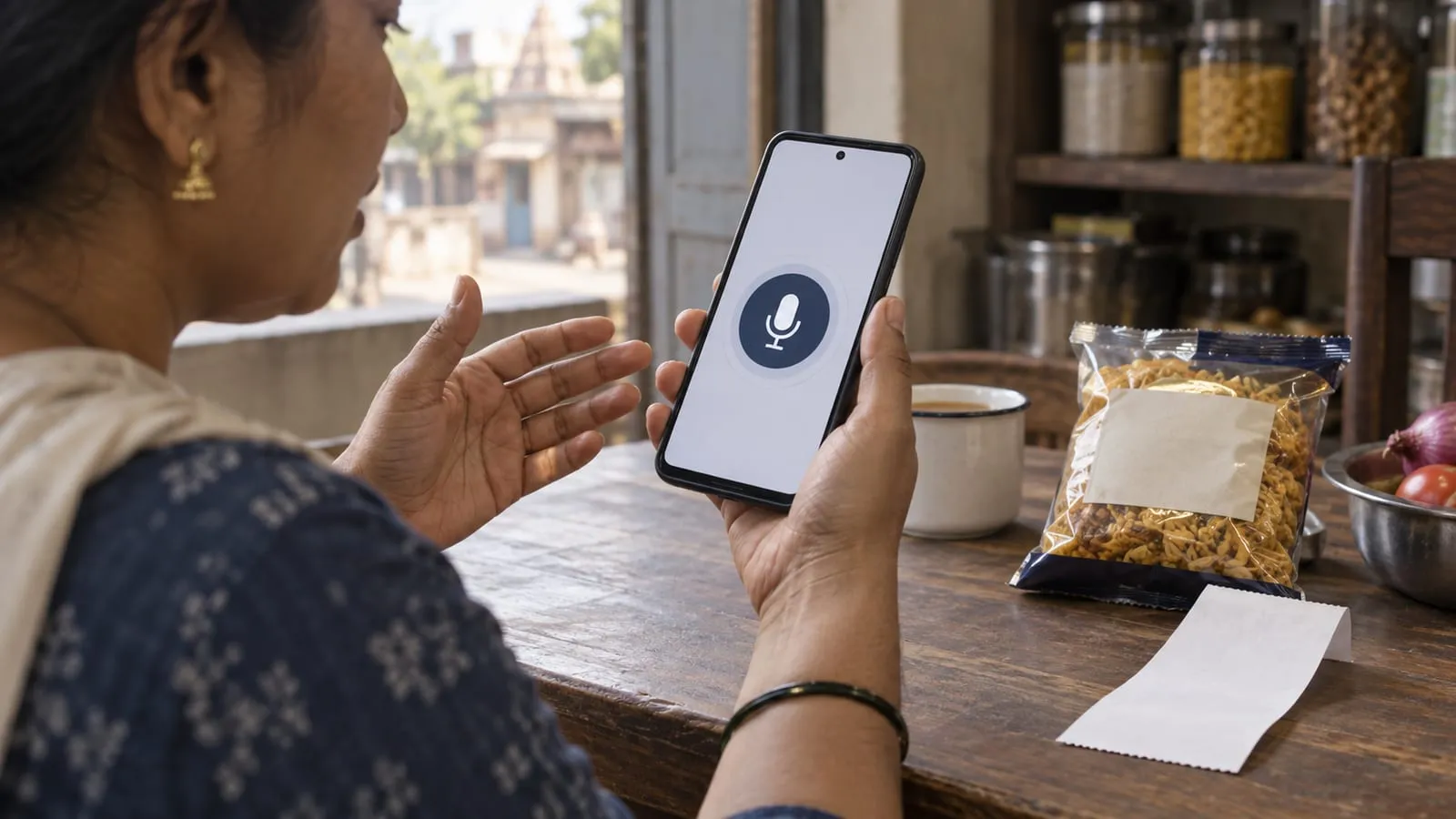
Everyone is watching the restaurants Tukaram Mundhe has been shutting down.
I went and read the source of the thing he launched.
On 16 July the Maharashtra FDA put complaints.mahafda.in live, where any citizen can report food adulteration or fake medicines. The DNS records for that domain were configured on 13 July.
Three days between “the domain exists” and “the Commissioner is announcing it”.
Every fingerprint on the build says AI-assisted development. The FDA has not said so, so treat that as my inference and not fact. But the page source is open to anyone. There is a comment in the HTML that labels a block of code with the number of the government web guideline it satisfies. Developers do not write comments like that. That is what it looks like when a model is walking you through a compliance checklist.
Here is why that thrills me rather than worries me.
It is not a demo. We have all seen the AI-generated landing page with three cards and a gradient. This is not that.
Behind the login sit four role surfaces: citizen, food safety officer, laboratory, commissioner. Forty-eight routes. OTP auth with refresh tokens. Login auditing. A data-rights request flow under the DPDP Act.
The lab module implements the four-part sample chain of custody from Section 47(1) of the FSS Act, including blind analysis, where the identity of the food business is withheld from the analyst.
Nobody gets that from a prompt. Somebody who knows Indian food safety enforcement sat down and specified it.
The AI in it is declared. Their privacy policy names the processors: Vertex AI to classify complaints, Sarvam for Marathi and Hindi voice input, MSG91 for OTP, AWS Mumbai for hosting. It also states that your bill photo is read on device and the raw image never reaches an AI service.
I have read a lot of Indian privacy policies. That is more specific and more self-limiting than almost any of them.
It was built for the actual user. Marathi first, not English first. Voice input, because many complainants will not type a paragraph. The service worker caches OpenStreetMap tiles for seven days, which only matters if you pictured someone filing a complaint on patchy data in a district town.
Rough edges? Yes. A bracketed placeholder still sits where the Grievance Officer’s name should be. The primary button fails a colour contrast check. Both are about a day of work, and both are evidence of speed, not of carelessness about the parts that matter.
The old excuse was that government software is slow because government software is hard.
The hard part here got done. Section 47(1) is not something a model knows to care about.
What AI compressed was the eight months of scaffolding around it.
More of this, please.